Thursday, 3 October 2013

Research: Editor's letter

A letter from the editor is used as a short introduction to the magazine, the letter welcomes the reader. It builds an informal relationship so that the reader feels familiar, they may mention a previous issue to make the magazine seem familiar to the reader, it seems as if they're 'coming back' to the magazine. The editor will often add a photo and a signature to make it feel like a real person.


Teen Now Magazine

The magazine's editor has written the letter to make it sound friendly "we also have some gorgeous pics of Ross Lynch, Austin Mahone and some of the hot boys from Waterloo Road!" The editor is writing in an informal style to connect with the readers and seem like a friend, this makes the magazine seem more personal to the target audience, who are teen girls from ages 13-19. The use of celebrity names in the editor's letter makes the reader more excited to read the magazine and assume that the editor can actually relate to them.


Look Magazine

The magazine's editor has written the letter to make it informative. "...we've selected an edit of the must-do trends, straight from the runaway, landing on the high street (from p18)" this informs the reader of where to find the edits of the must- do trends. "Let me know what you think of the issue-" the editor makes her seem like a friend as she's welcoming the readers opinions through her twitter and addresses the reader as "you" which makes it seem as she has a personal relationship with the reader. The tone of the magazine reflects on the target audience which is females from ages 15- 25, the editor's note is not as informal as the Teen Now magazine's editor's letter.

Tuesday, 1 October 2013

Research: Emotive and Colloquial language

Teen Now

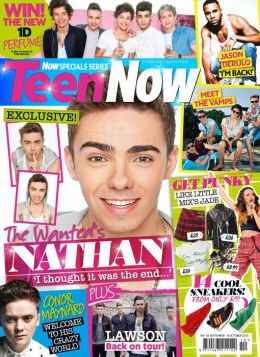
Teen Now is a magazine target at teenage girls from ages 13- 19, who have an interest in fashion and pop music.

In this magazine the colloquial phrases is not really used to attract the target audience, the magazine relays more on their images and their bright colours. However, colloquial phrases such as; "cool", "get punky" and "Hot boy galore" are used to relate to the target audience and make it seem like the magazine is made just for them. Emotive words and phrases are also used to attract the target audience such as; "Win! The new 1D perfume" makes the readers excited because they can win a perfume from their favourite band. Also reading the words "I thought it was the end..." may make the readers curious and and sad.

The words "cool" "get punky" and "hot boy galore" makes the magazine sound like it's another teenager  talking to them, so it sort of makes the magazine sound like a friend. Some of these words such as "hot boys" and "cool" are words that the readers would use and therefore it sounds personal and friendly.The phrases such as "Win! The new 1D perfume" and "I thought it was the end..." creates an emotional reaction from the reader.

Magazines usually use colloquial and emotive language usually through their cover lines to attract their target audience. Colloquial words such as "cool", "get punky", "hot boy galore" is used in the cover lines besides the images these colloquial words show that the magazine can connect to the readers and relate to their use of everyday language to make the magazine easier to read. Emotive words such as "Win! The new 1D perfume", "I thought it was the end..." and "in the studio with District 3" makes the readers curious and excited these emotions persuade the reader to buy the magazine. However pop magazines such as Teen Now rely on the images to attract the readers but their use of colloquial and emotive language helps to attract the reader as well.